

Tokyo’s Ramen Battlegrounds and Street Karts — A Day of Noodles and Adrenaline
Why is the golden combo of “eat ramen, then ride a kart” catching on among international visitors to Tokyo? The reason is simple — both are the real deal, and you can only experience them in Tokyo. The glossy sheen of noodles glimpsed through rising steam, the sound of slurping broth, and the rumble of a go-kart engine on public roads. Pack both into a single day, and your Tokyo memories instantly become several times richer.
Tokyo Ramen Right Now — Exploring the Noodle World by Neighborhood
Tokyo’s ramen scene can no longer be summed up in a single genre. What makes this city so fascinating is that each neighborhood has its own distinct personality, and even just the three major battlegrounds of Shinjuku, Ikebukuro, and Akihabara offer wildly different flavor profiles.
Shinjuku is an area where you’ll find everything from rich tonkotsu to delicate clear-broth styles. Just behind Kabukicho, legendary shops with lines stretching late into the night are packed side by side, and if you head over to the west exit, standout tsukemen spots are scattered about. The variety rivals something like Taiwan’s beef noodle scene — the temptation to have more than just one bowl is intense.
Ikebukuro has been rapidly rising as one of Tokyo’s fiercest ramen battlegrounds in recent years. The east exit area is home to a cluster of acclaimed miso ramen shops, and lines get especially long during the cold months. The west side offers hearty options like ie-kei ramen and Jiro-inspired bowls, making it the perfect neighborhood for days when you want to eat big.
The Akihabara area is actually a hidden ramen paradise. While it’s best known as the electronics district, duck into a side street and you’ll find a lineup of noodle gems. The hallmark here is bowls that showcase meticulous attention to broth — rich chicken paitan or intense niboshi sardine stock — revealing a depth to ramen that may surprise you. In any of these neighborhoods, you can start exploring from around ¥1,000 per bowl, keeping the barrier to a tasting tour refreshingly low.
Why Street Kart Gets Chosen — A Guided Tour That Shows You a Different Tokyo
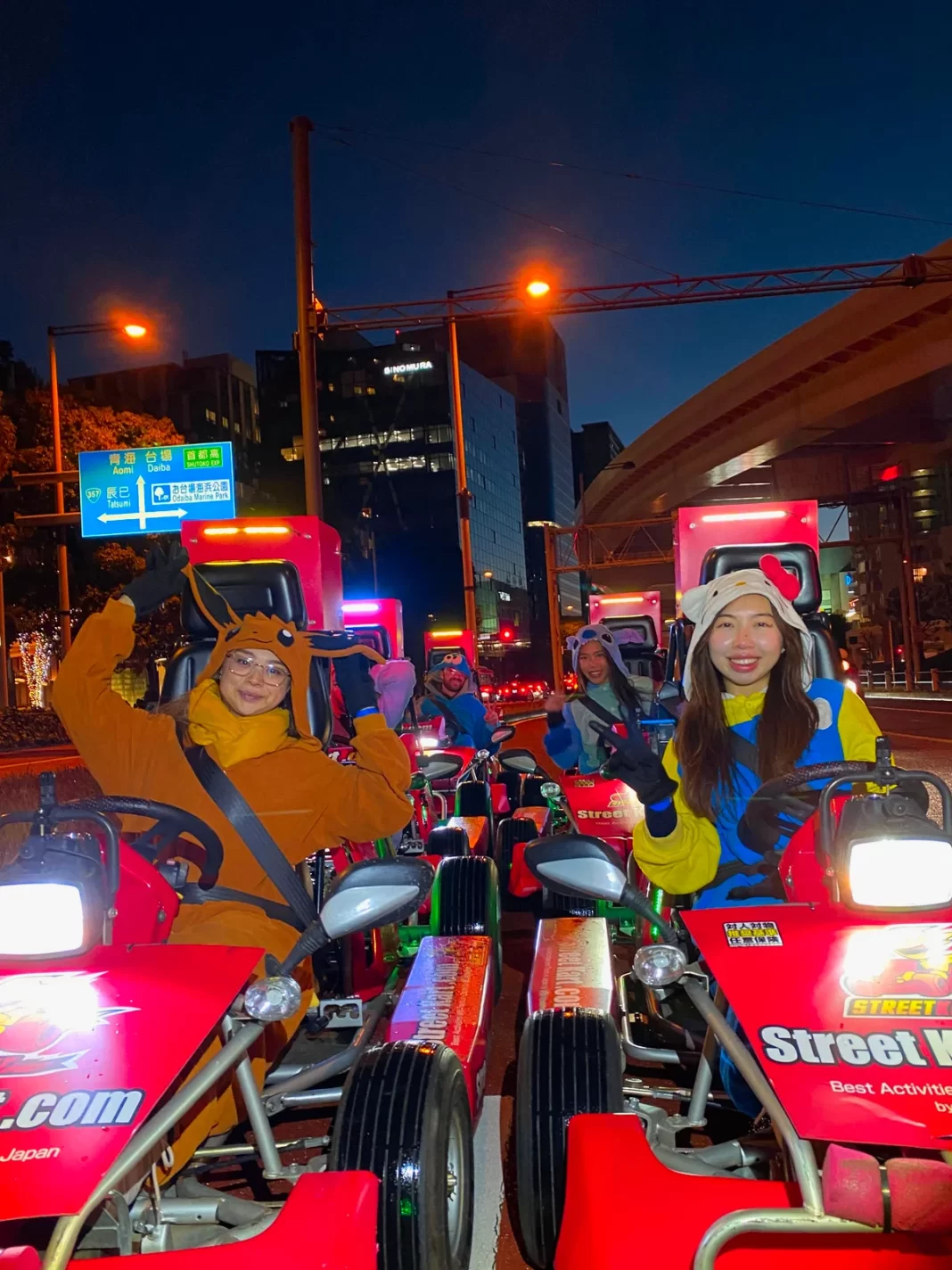
Once your stomach is satisfied with ramen, it’s time to experience Tokyo’s streets from an entirely different perspective. Street Kart’s go-kart experience is a one-of-a-kind activity where a guide leads you through Tokyo’s actual public roads in a tour format.
First, consider the staggering track record. With over 150,000 tours completed, more than 1.34 million participants to date, and an average rating of 4.9/5.0★, the numbers are nothing short of remarkable. Over 20,000 reviews back up that satisfaction level, and it’s easy to see why it goes viral on social media.
Having a guide lead the way means you never have to worry about getting lost on Tokyo’s complex roads — a welcome relief. Street Kart was the industry’s first kart operator to station guides specifically trained for international drivers, and service is provided in English. The website supports 22 languages, making it easy to share with friends visiting from abroad. With six locations in Tokyo plus Osaka and Okinawa — eight locations nationwide — and over 250 karts in operation, there’s enough flexibility to fit any travel schedule.
The view of towering buildings and neon lights from a ground-level vantage point is a completely different world from what you see through bus or train windows. The sensation of the wind hitting your entire body as you drive is pure “lived experience” that photos and videos simply can’t convey. You can wear costumes while driving, though Mario Kart-related costumes are not provided. It’s also worth noting that Street Kart has no affiliation whatsoever with Nintendo or the Mario Kart series. Be sure to check the driver’s license requirements on the official site in advance.
Smart Scheduling — How to Fit Noodles and Karts into One Day
If you’re experiencing both ramen and a street kart tour on the same day, the order matters more than you might think. The recommended plan is to fuel up at a ramen shop in the morning, then join an afternoon kart tour. Since tours require you to arrive at the shop 30 minutes before departure, working backward from that time to set your lunch schedule keeps things efficient.
Another solid pattern is to catch the evening kart tour and soak in Tokyo’s twilight scenery, then head to a ramen shop afterward. A bowl after a ride is — to put it mildly — something special, and since many shops in Shinjuku and Akihabara stay open late into the night, you can take your time choosing even after the tour.
One important thing to keep in mind: the kart tour and ramen are best combined as two separate experiences. Tours follow a set route with a guide, so stopping at shops along the way isn’t an option. That’s exactly why you should stay focused on driving during the tour and fully absorb Tokyo’s atmosphere, then give your full attention to the meal when it’s time to eat. This contrast between intensity and indulgence is the key to making the most of your day.
Capturing Tokyo’s “Flavor” and “Wind” in a Single Day
Tokyo ramen and street karts. These two experiences may seem unrelated at first glance, but they’re connected by a single thread: a Tokyo experience that engages all five senses. The moment you lean in toward the steam rising from a bowl and the moment you cut through the wind on a public road — neither can be felt through a smartphone screen. They are luxuries unique to Tokyo.
Kart reservations can be made quickly at kart.st. Weekends fill up fast, so checking early once your dates are set is the smart move. Most ramen shops don’t take reservations, so the savvy approach is to lock in your kart time first, then build your noodle plans around it. Go ahead and be greedy — grab both Tokyo’s noodles and adrenaline in one day.
